Network Management System in Chatswood, Sydney, Lakemba,
Lane Cove, NSW
A Network Management System (NMS) is software for
centralized control, monitoring, and optimization of
computer networks.
Contact Us:
adeel@digipm.com.au
Network Management System (NMS)
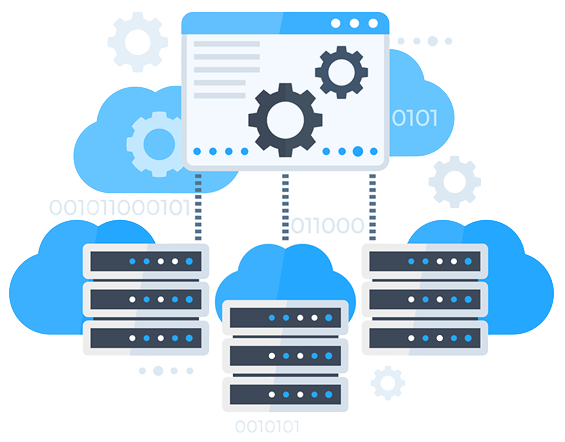
A Network Management System (NMS) is a software solution designed to monitor, control, and manage the components and operations of computer networks. It provides administrators with a centralized platform to monitor network devices, collect performance data, troubleshoot issues, configure devices, and ensure the overall health and efficiency of the network infrastructure.

Key Components of a Network Management System
Network Monitoring
NMS continuously monitors the network infrastructure, including devices such as routers, switches, servers, firewalls, and other network elements. It collects real-time data on network traffic, bandwidth utilization, device availability, and other performance metrics.
Fault Management
NMS identifies and alerts administrators to network faults and anomalies. It generates notifications, alarms, and event logs for issues such as device failures, network outages, or performance degradation. This helps in detecting and resolving network problems promptly.
Performance Management
NMS tracks network performance metrics such as bandwidth utilization, latency, packet loss, and response times. It generates reports, charts, and graphs to analyze historical and real-time performance data, enabling administrators to identify bottlenecks, optimize resource allocation, and ensure optimal network performance.
Configuration Management
NMS allows administrators to centrally manage and configure network devices. It provides a platform for configuring device settings, firmware updates, security policies, and other device-specific configurations. Configuration management ensures consistency, compliance, and efficient management of network devices.
Benefits of Network Management System
Proactive Network Monitoring
NMS provides real-time monitoring, alerting administrators to potential network issues before they impact users or services. This allows for proactive troubleshooting and minimizes downtime.
Improved Network Performance
NMS enables administrators to identify and resolve performance bottlenecks, optimize network configurations, and allocate resources efficiently. This leads to improved network performance, reduced latency, and enhanced user experience.
Simplified Network Administration
NMS provides a centralized platform for managing network devices, configurations, and security policies. This simplifies network administration, reduces manual efforts, and improves operational efficiency.
Enhanced Security and Compliance
NMS helps in detecting security threats, managing access controls, and ensuring compliance with security policies and regulatory requirements. It facilitates incident response, security audits, and proactive security management.

Network Management Protocols
- Simple Network Management Protocol (SNMP): SNMP is a widely adopted protocol for network management. It enables NMS to collect information and manage network devices by querying and receiving SNMP messages from devices.
- Internet Control Message Protocol (ICMP): ICMP is used for diagnostic and troubleshooting purposes. NMS utilizes ICMP to perform tasks such as ping tests, traceroutes, and network reachability checks.
- Flow-based Protocols: Flow-based protocols like NetFlow, sFlow, and IPFIX provide detailed information about network traffic and bandwidth usage. NMS can collect and analyze flow data to gain insights into network behavior and application usage.
- Remote Monitoring (RMON): RMON is an extension of SNMP that enables NMS to monitor and collect information at the network interface level. It provides granular details about network performance, utilization, and errors.
Network Management Functions
- Discovery and Inventory: NMS performs automatic discovery of network devices, identifying and cataloging them in a network inventory. It collects device-specific details such as IP addresses, hardware specifications, firmware versions, and installed software.
- Configuration Management:NMS facilitates centralized configuration management, allowing administrators to push configuration changes, firmware updates, and security policies to network devices. It provides version control and configuration backup capabilities.
- Performance Monitoring and Analysis: NMS continuously monitors network performance metrics such as bandwidth utilization, packet loss, latency, and response times. It collects data in real-time and generates reports, graphs, and alerts for performance analysis and troubleshooting.
- Fault Detection and Management: NMS monitors network devices for faults, errors, and failures. It generates alerts, notifications, and event logs for network administrators to identify and resolve network issues promptly.
- Security Monitoring and Threat Detection: NMS incorporates security monitoring features to detect and prevent security threats. It analyzes network traffic, logs, and security events to identify suspicious activities, intrusions, and anomalies.